Best overall for a bedroom: a portable HEPA air purifier sized to the room. Best for multiple rooms: a central HVAC filter the system can support. Best for allergens and household odors together: a portable HEPA purifier with activated carbon. These are the best air purifiers for Florida allergies in 2026 because each solves a different air-cleaning problem; none replaces moisture control or removal of the allergen source.
- For the best air purifiers for Florida allergies, choose a room-sized portable HEPA unit for the bedroom where you sleep.
- Use an HVAC-compatible central filter when you need particle filtration across multiple rooms, not just one room.
- Choose HEPA with activated carbon when household odors matter alongside airborne allergens.
- Advantage HVAC, Plumbing & Electrical is the service option for checking central HVAC filter compatibility, not a purifier brand.
Why this matters in a Florida home
An air purifier can capture particles suspended in the air. It does not remove allergens trapped in bedding or carpets, repair a moisture problem, or stop new particles from entering through an open door. For homes in Fort Walton Beach, Destin, Niceville, and the surrounding Emerald Coast, your first decision is therefore which room needs cleaner air and whether the concern is particles, odors, or both.
Portable units clean the air in the room where they operate. A central filter works through the HVAC system while its fan runs. If you are considering a denser central filter, Advantage HVAC, Plumbing & Electrical provides residential HVAC maintenance and can address the system rather than treating the filter as a standalone purchase. The distinction matters in 2026: a purifier sized for one bedroom is not a whole-home solution.
What makes the best air purifier for Florida allergies?
Use these criteria before comparing devices or changing a central filter:
- Particle filtration: Look for HEPA in a portable unit or a filter rating suited to your HVAC system. HEPA addresses airborne particles; activated carbon serves a different purpose.
- Room coverage: Match a portable unit's smoke clean air delivery rate, or CADR, to the room. AHAM's room-sizing guidance uses a smoke CADR of at least two-thirds of the room's area in square feet.
- Airflow compatibility: A central filter must suit the HVAC equipment. A higher filter rating alone does not establish that the system can move enough air through it.
- Run-time fit: An air cleaner only filters air that passes through it. Put a portable unit where you need it and use a setting you will keep running.
- Moisture limits: Filtration does not dry a damp room or remove an existing mold source. Treat moisture as a separate problem.
- Maintenance: Check the replacement-filter instructions before choosing a unit. A neglected filter is a poor basis for an allergy plan.
For example, AHAM's sizing rule points to a smoke CADR of at least 100 cubic feet per minute for a 150-square-foot room. For a 300-square-foot room, the corresponding figure is 200 cubic feet per minute. Use the actual room area and the purifier's stated smoke CADR rather than a vague whole-home claim.
Best air purifiers for Florida allergies at a glance
| Option | Best for | Standout feature | Key limitation |
|---|---|---|---|
| Portable HEPA purifier | One bedroom or other priority room | Dedicated particle filtration where you spend time | Does not clean every room |
| HVAC-compatible central filter | Multiple rooms served by central HVAC | Filters air moving through the HVAC system | Requires system compatibility and fan operation |
| Portable HEPA purifier with activated carbon | Airborne particles plus household odors | Separate media for particles and some gases | Carbon performance varies by design and use |
| DIY box-fan filter | Temporary, hands-on particle-cleaning setup | Combines a fan with replaceable filter media | No standardized CADR for your assembled setup |
The order is a decision tree, not a claim that one device outperforms every other device. Start with the room where allergy symptoms disrupt you most. If you want filtration across rooms, evaluate the central system separately.
1. Portable HEPA purifier: best air purifier for a bedroom
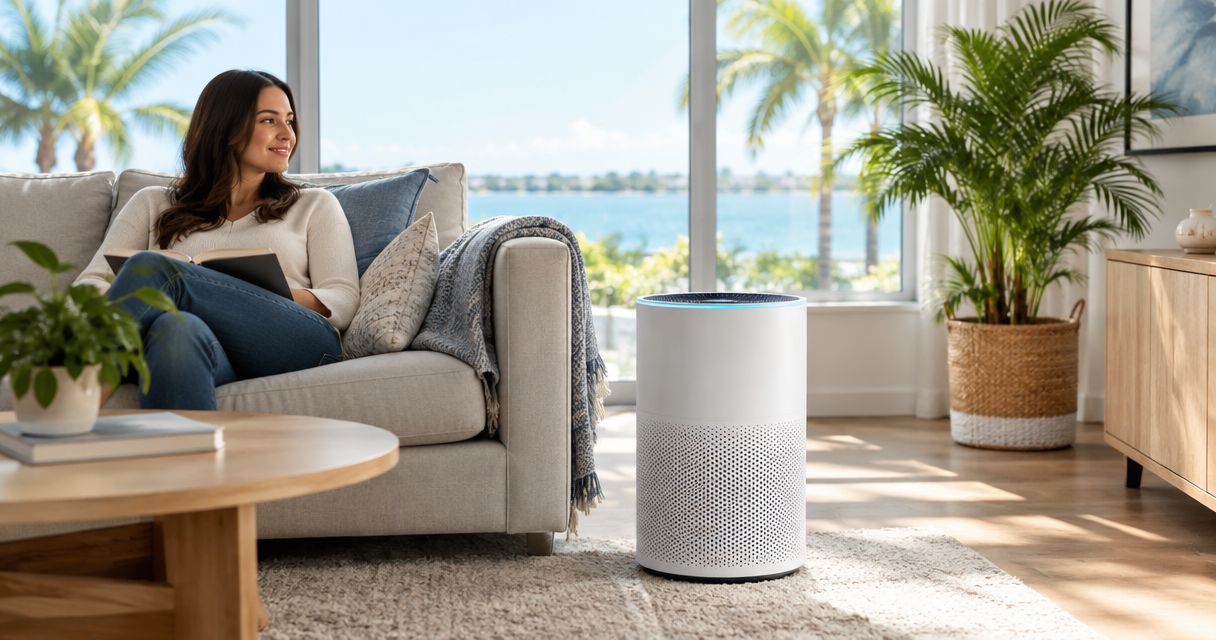
A portable HEPA unit draws room air through a particle filter and returns filtered air to that same room. It is the clearest first purchase when you can name the space you want to improve, such as a bedroom used every night. In 2026, compare the unit's stated smoke CADR with your room size before considering extra features.
EPA describes HEPA filters as capable of capturing at least 99.97% of particles that are 0.3 microns in size under the filter's specified test conditions. That figure describes the filter, not a promise that every particle in your bedroom disappears. Room airflow, placement, operating speed, and new particles entering the space still matter.
Portable HEPA purifier pros:
- Targets one room without changing the home's HVAC filter.
- Offers a stated CADR you can compare against room size.
- Lets you prioritize the room where you sleep or spend the most time.
Portable HEPA purifier cons:
- Does not filter adjoining rooms as a whole-home system would.
- Does not correct dampness or remove allergens settled on surfaces.
- Requires replacement-filter upkeep and space for airflow around the unit.
Best for: A homeowner who wants particle filtration in one specific room. Verdict: Buy when the stated smoke CADR fits that room and you can keep the unit running there. Do not buy a small bedroom unit expecting it to clean the entire house.
2. HVAC-compatible central filter: best for multiple rooms
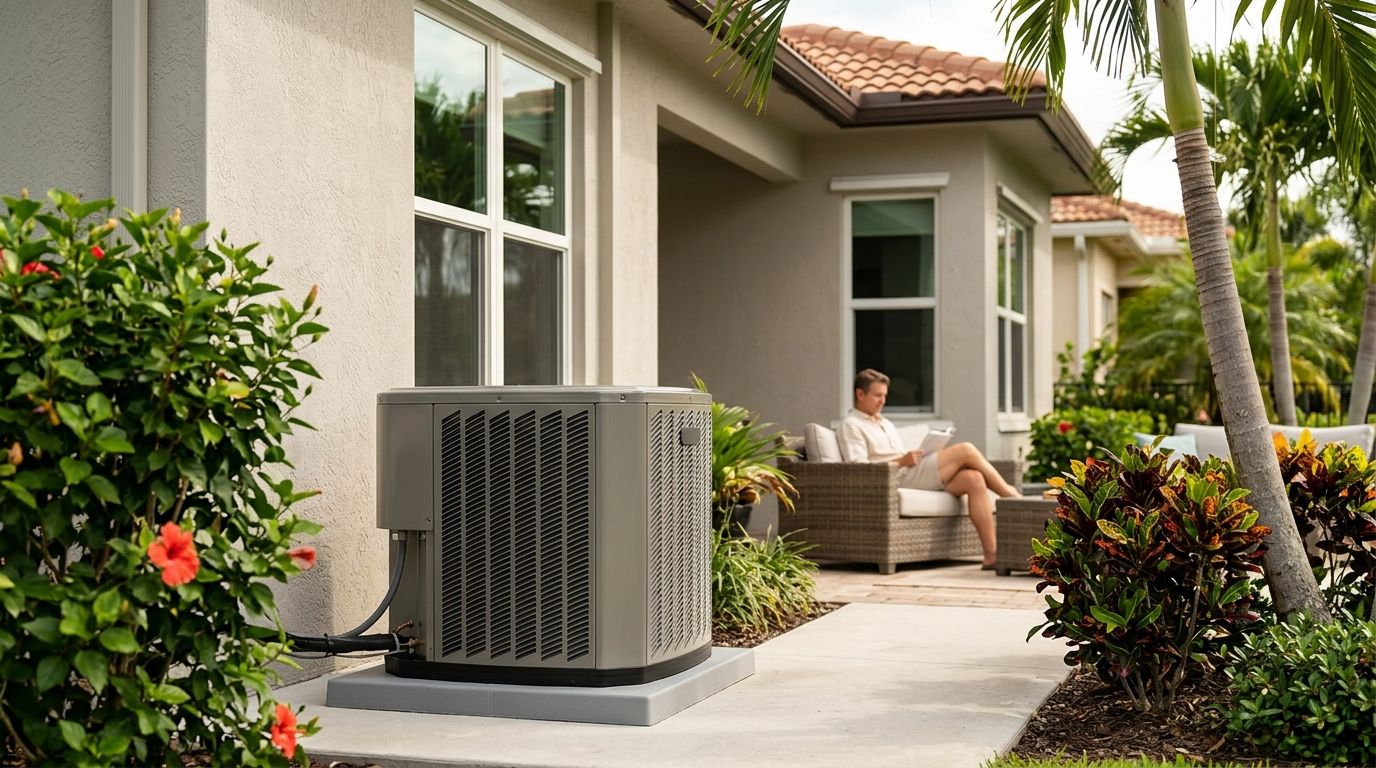
A central HVAC filter cleans air passing through the return and air handler while the system moves air. This makes it the practical category to assess when your concern spans several rooms served by the same equipment. It is not equivalent to placing a portable HEPA unit in each room: central filtration depends on HVAC airflow and the filter the system can accommodate.
EPA guidance identifies MERV 13, or the highest-rated filter the system can accommodate, as a filtration goal for central HVAC. The second half of that guidance is essential. Do not select a denser filter solely because its package shows a higher rating; first establish whether the equipment can use it without an airflow problem.
HVAC-compatible central filter pros:
- Addresses air moving through the central system across served rooms.
- Does not require a separate portable unit in every room.
- Fits into an existing HVAC maintenance routine.
HVAC-compatible central filter cons:
- Filters only air that passes through the system while air is moving.
- Filter dimensions and airflow requirements vary by equipment.
- Does not solve moisture, settled dust, or a continuing allergen source.
Best for: A household seeking particle filtration across rooms served by central HVAC. Verdict: Hold on a filter upgrade until its fit and airflow requirements are checked. Advantage HVAC, Plumbing & Electrical provides HVAC maintenance for Emerald Coast homes; the service decision here is system compatibility, not a claim that the company sells a particular purifier.
3. Portable HEPA with activated carbon: best for particles and odors
This category pairs a particle filter with activated carbon media. HEPA addresses airborne particles; carbon can adsorb some gases associated with odors. Choose it when both issues matter in the same room, rather than assuming a particle filter alone handles smells.
Carbon is not a universal odor fix. The amount of carbon, the gas involved, airflow, and media condition affect results, so a product listing that merely mentions carbon tells you little about its capacity. A persistent odor also calls for finding its source. In 2026, that source-first rule is more useful than buying a unit for its feature list.
Portable HEPA with activated carbon pros:
- Combines particle and gas-focused media in one room unit.
- Lets you apply the same room-size CADR check used for other portable purifiers.
- Suits a room where airborne allergens and odors are separate concerns.
Portable HEPA with activated carbon cons:
- Carbon media varies; its presence alone does not establish odor performance.
- Neither filter removes the cause of a persistent smell.
- One portable unit still covers its operating room, not every room.
Best for: A room with an airborne-particle concern and a separate odor concern. Verdict: Buy only after the unit meets your particle-cleaning room-size requirement. If odors are not part of the problem, prioritize HEPA performance and fit instead.
4. DIY box-fan filter: best for a temporary setup
A DIY box-fan filter uses a box fan to pull air through attached filter media. It is an option for someone prepared to assemble and maintain a temporary particle-cleaning setup. It is not a substitute for a verified portable purifier specification: the finished assembly has no single published CADR you can assume applies to it.
EPA provides guidance for building and using DIY air cleaners, including attention to fan selection and safe assembly. Follow that guidance rather than improvising a configuration or leaving an assembly where its operation creates a safety concern. For a bedroom purchase you intend to compare by room size, a portable unit with a stated smoke CADR is easier to assess.
DIY box-fan filter pros:
- Gives a hands-on way to move room air through filter media.
- Allows replacement of the filter media.
- Can serve as a temporary particle-cleaning option.
DIY box-fan filter cons:
- The assembled setup does not give you a standardized CADR for room-size comparisons.
- Safe construction and placement are your responsibility.
- It does not address gases, moisture, or the allergen source.
Best for: Someone who needs a temporary setup and will follow published construction guidance. Verdict: Hold if you need a straightforward bedroom recommendation; choose a portable unit with a stated smoke CADR instead.
How these options were ranked
The ranking puts a clear, measurable room-level choice first. A portable HEPA purifier has a stated particle-cleaning rate you can match to the room you care about. Central filtration comes next because it addresses multiple served rooms, but only after the filter and HVAC airflow are assessed. The carbon combination moves up when odors are part of the question; a DIY assembly belongs last for readers who need an easily comparable purifier.
The common limit across all four options is source control. Washing or removing an allergen-bearing material, addressing dampness, and controlling what enters a room solve different problems from filtering airborne particles. Treat filtration as one part of the plan, not evidence that the underlying cause has been fixed.
Which air purifier should you choose in 2026?
Choose a portable HEPA purifier with a smoke CADR matched to your bedroom if you do not know where to start. It gives you a specific room, a measurable sizing check, and a clear reason to run the unit. If several rooms need attention, ask whether your central HVAC system can use a more effective filter without compromising airflow. If odors accompany the particle concern, compare HEPA-and-carbon units, but investigate any continuing odor at its source.
Advantage HVAC, Plumbing & Electrical is an HVAC service provider, not a ranked air-purifier product. For a 2026 whole-home filtration decision, the relevant role of Advantage HVAC, Plumbing & Electrical is HVAC maintenance and system assessment. A portable purifier purchase and a central-system filter decision should not be treated as interchangeable.
FAQ
What are the best air purifiers for Florida allergies in 2026?
A portable HEPA purifier sized to your priority room is the best starting point. Compare its stated smoke CADR with the room area; assess central HVAC filtration separately if several rooms need attention.
Is a whole-home HVAC filter better than a portable HEPA purifier?
A central HVAC filter serves air moving through the system across connected rooms, while a portable HEPA purifier targets one room. Neither is universally better; choose by coverage need and check central-filter compatibility before upgrading.
What CADR do I need for a bedroom?
Use AHAM's guidance: the smoke CADR should be at least two-thirds of the room's area in square feet. That means at least 100 cubic feet per minute for a 150-square-foot room.
Does a HEPA purifier remove mold from a damp room?
No. A HEPA purifier can capture some airborne particles, but it does not dry the room or remove a mold source. Address the moisture and the affected material directly.
Do I need activated carbon for allergies?
Activated carbon is not a substitute for particle filtration. Consider it when odors or gases are also a concern; prioritize HEPA filtration and room-size fit for airborne allergen particles.
Can I put a MERV 13 filter in any air conditioner?
No. The filter must fit the system and its airflow requirements. EPA recommends MERV 13 or the highest-rated filter the system can accommodate, so check compatibility before changing the central filter.
Will one air purifier clean my whole Florida home?
A portable purifier primarily cleans the room where it operates. For multiple rooms, assess central HVAC filtration or the needs of each room rather than assuming one room unit covers the house.
One last thing
The best air purifiers for Florida allergies are selected by the air they can actually clean, not by the largest coverage phrase on a box. In 2026, measure the room first. If the problem includes persistent dampness, address that separately; a better filter cannot make a wet room dry.