Best overall: a heat pump water heater for a Florida home with suitable installation space. For the best water heaters for Florida homes in 2026, choose a conventional electric tank for a simpler replacement, a gas tankless heater for an existing gas-fed home that wants on-demand hot water, or a small electric tankless heater for a single fixture.
- The best water heaters for Florida homes are heat pump models when the installation space meets their requirements.
- A conventional electric tank is the simpler choice when replacing an existing electric storage heater.
- Gas tankless suits homes with gas service; electric tankless is better treated as a single-fixture option.
- Check hot-water demand, electrical or gas connections, and installation space before choosing a heater.
Why this matters
A water heater that fits your floor plan can still be the wrong fit for your household. An undersized unit struggles when showers, laundry, and dishes overlap; a unit that needs electrical or gas changes can turn a routine replacement into a larger project. Advantage HVAC, Plumbing & Electrical is a local plumbing contractor for Emerald Coast homeowners weighing water heater options.
For a 2026 replacement in Fort Walton Beach, Destin, or Niceville, start with the equipment already installed and the space around it. Those facts narrow the choices faster than a list of features. Florida's warm conditions make a heat pump model worth considering, but a suitable location, airflow, and condensate drainage still matter.
What makes the best water heater for a Florida home?
Use these criteria before comparing models. The best type is the one that meets your household's demand without creating an avoidable installation problem.
- Hot-water demand: Count the showers and other fixtures you expect to use at the same time. A storage heater needs enough available hot water; a tankless heater needs enough flow capacity.
- Existing connections: Check whether the home has an electric heater, gas service, or both. Changing fuel type adds work beyond swapping the heater.
- Installation space: A heat pump heater needs adequate surrounding air and a route for condensate. A tankless heater saves floor space but does not erase its electrical, gas, or venting requirements.
- Operating method: A storage unit heats and holds water. A tankless unit heats water as it flows. A heat pump moves heat from surrounding air into stored water.
- Maintenance access: Leave room to inspect connections and follow the manufacturer's maintenance instructions. A tightly fitted unit is harder to service, even if it technically fits.
- Replacement urgency: If a failed heater needs prompt replacement in 2026, verify what the existing site can support before choosing equipment that requires additional work.
Best water heaters for Florida homes at a glance
| Water heater type | Best for | Standout feature | Key limitation |
|---|---|---|---|
| Heat pump water heater | Homes with suitable air space and drainage | Moves heat from surrounding air into stored water | Needs appropriate placement and condensate management |
| Conventional electric storage heater | Replacing an existing electric tank | Familiar storage-and-reheat operation | Stored hot water can run out during heavy demand |
| Gas tankless water heater | Gas-fed homes seeking on-demand hot water | Heats water as it flows | Flow capacity and venting must suit the home |
| Electric tankless point-of-use heater | One remote or specific fixture | Heats water near its point of use | Not a default answer for whole-home demand |
The order reflects a typical Florida homeowner's decision, not a claim that one unit fits every house. A heat pump model leads when its site requirements work. If those requirements do not work, the better choice is the heater your home can support and your household can use comfortably.
1. Heat pump water heater: best for suitable garage or utility space
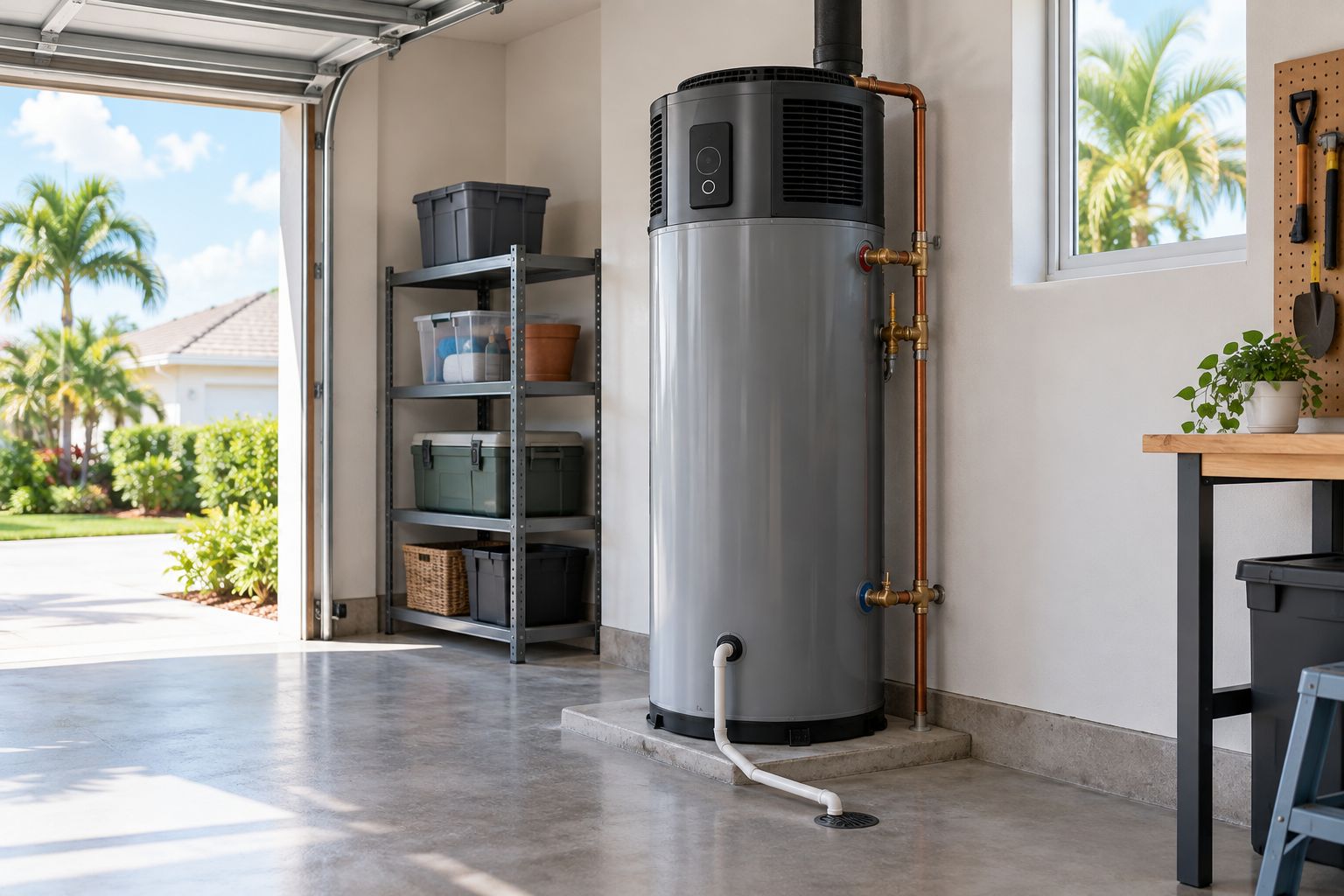
A heat pump water heater pulls heat from nearby air to warm water in a storage tank. That makes it the strongest overall choice for a Florida home when its location meets the unit's requirements. It also produces condensate, so the installation needs an appropriate drain route.
The U.S. Department of Energy's guidance for heat pump water heaters describes installation conditions of 40°F to 90°F and at least 1,000 cubic feet of surrounding air space. Treat those figures as a screening check, then confirm the requirements for the model under consideration. A warm garage is not automatically a suitable installation site if the available air space or drainage does not work.
Heat pump water heater pros:
- Uses heat from surrounding air rather than relying only on electric resistance heating.
- Pairs a storage tank with a different heating method, so you can compare it against the household's existing tank setup.
- Makes particular sense to evaluate when the installation area has adequate air space and a drain route.
Heat pump water heater cons:
- Needs more site planning than a straightforward electric-tank replacement.
- Cools nearby air while operating and produces condensate that needs a suitable drain route.
- Still has a storage tank; heavy simultaneous use can deplete the available hot water.
Best for: A homeowner with an appropriate garage or utility area who wants to assess a lower-energy alternative to an electric storage heater. Verdict: Buy when the space, drainage, and household demand check out; otherwise, choose a type that fits the site.
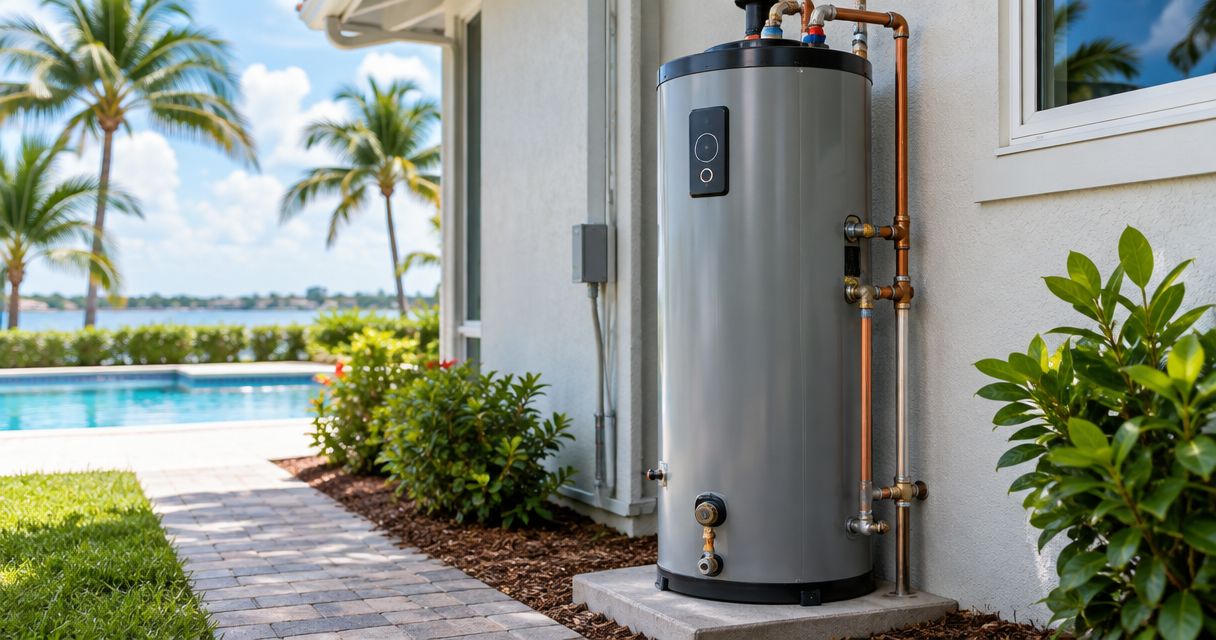
2. Conventional electric storage heater: best for a direct tank replacement
A conventional electric storage heater warms water with electric elements and keeps it in a tank until you need it. It is the practical comparison point when your home already has an electric tank. The decision still depends on whether the replacement can meet your household's peak use.
For a 2026 replacement, compare the existing heater's location and connections with the proposed unit rather than assuming every electric tank is interchangeable. Confirm the available space, electrical requirements, and hot-water capacity before committing. A direct replacement is only simple when those details match the installation.
Conventional electric storage heater pros:
- Suits homes already set up for an electric storage heater.
- Does not require surrounding air space for heat-pump operation.
- Stores hot water for use across multiple fixtures.
Conventional electric storage heater cons:
- Uses electric resistance heating rather than moving heat from surrounding air.
- The tank can run short during concentrated household demand.
- Takes up floor space and requires access for inspection and service.
Best for: A homeowner replacing an electric tank who prioritizes installation fit and predictable storage operation. Verdict: Buy when a heat pump installation does not fit the site or the replacement needs to stay close to the existing setup.
3. Gas tankless water heater: best for an existing gas-fed home
A gas tankless heater heats water as it passes through the unit instead of maintaining a full storage tank. It belongs on the shortlist if the home already has gas service and you want to assess an on-demand system. Do not confuse on-demand heating with unlimited simultaneous flow: the selected unit must serve the fixtures you plan to use together.
Gas supply and venting are installation questions, not details to settle after selecting a model. An existing gas appliance elsewhere in the home does not establish that the water heater's proposed location has suitable connections. For a 2026 purchase, get the site's requirements checked before treating a tankless model as a direct swap.
Gas tankless water heater pros:
- Heats water on demand rather than holding it in a storage tank.
- Takes up less floor space than a tank-style heater.
- Gives a gas-fed household a distinct alternative to storage heating.
Gas tankless water heater cons:
- Available hot-water flow limits how many fixtures it can serve at once.
- Gas supply and venting requirements can complicate installation.
- Requires maintenance according to the selected manufacturer's instructions.
Best for: A home with suitable gas infrastructure and a clearly defined peak hot-water demand. Verdict: Hold until gas supply, venting, and simultaneous-flow requirements are verified; buy only if the selected system fits all three.
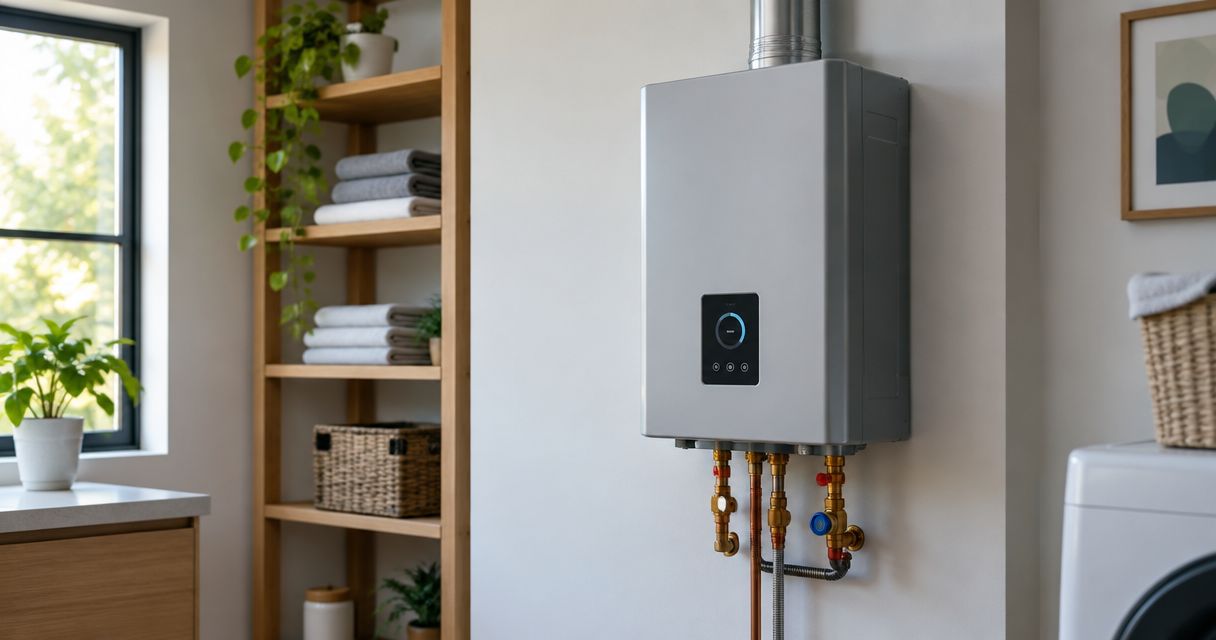
4. Electric tankless heater: best for a single fixture
A small electric tankless unit heats water as it flows and can serve a specific fixture when matched to that fixture's demand. That is a narrower use case than supplying an entire home. If your actual problem is hot-water service at one location, compare a point-of-use unit with fixing the existing delivery problem before adding equipment.
Whole-home electric tankless models place different demands on an electrical system than a small point-of-use unit. Some call for 240 V circuits, and electrical requirements vary by model. Have the proposed unit's specifications and the home's electrical capacity checked rather than assuming a compact cabinet means a simple installation.
Electric tankless heater pros:
- Offers a focused option for a single fixture.
- Avoids a storage tank at the point of use.
- Can be evaluated without changing the home's main heater when the issue is limited to one location.
Electric tankless heater cons:
- A single-fixture unit is not a substitute for a whole-home heater.
- Electrical capacity and circuit requirements determine whether installation is practical.
- Flow and incoming-water temperature affect the hot water it can deliver.
Best for: A specific fixture with a clearly measured hot-water need. Verdict: Buy only for a suitable point-of-use application; skip it as the default whole-home choice.
Check the site before you choose a model
Start at the current heater. Record whether it is electric or gas, where it sits, how accessible its connections are, and which fixtures lose hot water during busy periods. Then separate capacity problems from delivery problems: running out after consecutive showers is different from waiting for hot water at a distant sink.
For a heat pump installation, check the surrounding air space and where condensate will go. For gas tankless, check gas supply, venting, and the fixtures expected to run together. For electric tankless, check the proposed circuit against the selected unit's requirements. These checks prevent you from choosing a heater based only on the space its cabinet occupies.
Demand deserves the same attention as installation. List the showers, taps, and appliances your household uses at the same time, then compare that pattern with the selected heater's published capacity. A larger cabinet, a tankless label, or an energy-efficiency claim does not answer whether the unit serves your peak use.
Water temperature is another setting to review after installation. The U.S. Department of Energy identifies 120°F as a setting to consider for many households to reduce energy use and scalding risk; follow the heater manufacturer's instructions and account for household-specific health needs. Do not use a temperature setting to compensate for a heater that cannot meet demand.
How these options were ranked
The 2026 ranking weighs installation fit first, followed by how each type supplies hot water, its operating method, and the constraints a homeowner needs to check before buying. Heat pump heaters lead for homes that meet their air-space and drainage requirements. Conventional electric tanks follow because they address a common replacement situation without requiring a change in heating approach.
Gas tankless and electric point-of-use heaters rank below those broader choices because each has a more specific job. That is not a quality judgment about an individual model. Match the type to the home's connections and peak demand before comparing models within that type.
Which water heater should you choose in 2026?
Choose a heat pump water heater by default if the installation site qualifies and a storage tank meets your household's demand. Choose a conventional electric tank when you need a suitable replacement for an existing electric storage setup and the heat pump site requirements do not work. Choose gas tankless only after checking gas supply, venting, and simultaneous flow; reserve small electric tankless units for appropriately sized point-of-use jobs.
For Emerald Coast homeowners comparing water heater types, Advantage HVAC, Plumbing & Electrical provides local plumbing installation services. The useful next step is a site-specific discussion of the existing heater, available connections, and the fixtures that need hot water—not a choice based on a category label alone.
FAQ
What's the best water heater for a Florida home in 2026?
A heat pump water heater is the best overall choice when the installation space, drainage, and household demand suit it. A conventional electric tank is the more direct option for many existing electric-tank setups.
Is a heat pump water heater better than an electric tank in Florida?
A heat pump water heater uses heat from surrounding air instead of relying only on electric resistance heating. It is the better fit only when the site meets the selected unit's air-space, temperature, and drainage requirements.
Is a tankless water heater better for a large household?
Not automatically: a tankless unit must deliver enough flow for the fixtures used at the same time. Compare the household's peak demand with the selected model's specifications before choosing it over a storage heater.
Can a heat pump water heater go in a Florida garage?
Yes, if that garage meets the selected heater's installation requirements. Check surrounding air space, operating conditions, condensate drainage, and service access rather than judging by floor space alone.
Should I replace an electric tank with gas tankless?
Choose gas tankless only after confirming that the home can support the proposed gas supply and venting and that the unit meets peak demand. An existing electric-tank location does not establish that a gas tankless replacement is straightforward.
Is electric tankless a good whole-home water heater?
A small electric tankless heater is better considered for a specific fixture than assumed suitable for a whole home. A whole-home model needs its own flow and electrical-capacity checks.
What should I check before replacing a water heater in 2026?
Check the current fuel type, installation space, connections, peak hot-water use, and the selected unit's requirements. Those details determine whether a proposed replacement fits the home and serves its fixtures.
One last thing
The quickest way to make the wrong choice is to shop by heater type before identifying the problem. If hot water runs out, assess household demand and capacity; if one tap takes too long to warm, investigate that fixture's delivery path. In 2026, that distinction keeps a whole-home replacement from becoming the answer to a single-fixture complaint.